
The Impact of Lighting on Interior Paint Colors: How to Get It Right
When selecting paint colors for your home, lighting is one of the most critical factors to consider. The appearance of paint can dramatically change depending on the type and intensity of light in a room. What looks like a soft beige under bright sunlight might turn grayish under artificial lighting, and a bold blue can appear muted in shadowy corners. Understanding how lighting impacts paint colors is essential for making the right choice. Here’s a guide to how lighting affects your paint colors and how to test samples effectively to find the perfect shade for your space.
How Different Types of Lighting Affect Paint Colors
Lighting in a room comes from two primary sources: natural light and artificial light. Each type interacts with paint colors differently, creating variations in hue, brightness, and intensity.
1. Natural Lighting
Natural light changes throughout the day, which can alter the way paint colors appear:
- Morning Light: Eastern-facing rooms get soft, warm light in the morning. This light can enhance yellows, oranges, and warm tones, but it may make cool colors appear muted.
- Afternoon Light: Western-facing rooms are flooded with warm, golden light in the afternoon. This can make paint colors appear warmer and richer, which is ideal for earthy tones but can exaggerate red undertones.
- Midday Light: South-facing rooms receive consistent, bright light throughout the day. This natural, neutral light tends to make colors appear truest to their original shade.
- Shaded Light: North-facing rooms get cool, indirect light that can make colors look darker and cooler. Whites and light colors may appear grayer, while warm tones can balance the effect.
2. Artificial Lighting
Artificial light can dramatically alter the appearance of paint, depending on its type and color temperature:
- Warm Light: Incandescent or warm LED bulbs emit a yellowish light, which can enhance reds, oranges, and yellows while muting blues and greens.
- Cool Light: Fluorescent or cool LED bulbs emit a bluish light that can make whites look stark and cool colors more vibrant while dulling warm tones.
- Neutral Light: Full-spectrum or daylight bulbs mimic natural light, providing a more balanced effect and reducing color distortion.
Common Lighting Challenges and Their Solutions
Challenge 1: Colors Change at Different Times of Day
> Solution: Test paint colors on all walls and observe them at various times of the day. This helps you see how the light affects the color throughout the day and adjust your choices accordingly.
Challenge 2: Overhead Lighting Alters Color Perception
> Solution: Use layered lighting, such as a combination of overhead, task, and accent lights, to create a more balanced effect. This ensures your color looks good no matter the time or activity in the room.
Challenge 3: Dark Rooms Make Colors Appear Dull
> Solution: Opt for lighter, warm tones to brighten up dark spaces. Adding mirrors to reflect light or using full-spectrum bulbs can also help enhance the room’s brightness.
Tips for Testing Paint Samples Under Different Lighting
Choosing the right paint color requires more than a quick glance at a swatch. Testing your paint samples under various lighting conditions ensures you make an informed decision.
1. Use Paint Samples on Multiple Walls
Light hits each wall differently based on the room’s layout and the time of day. Paint test swatches on at least two walls to see how the color interacts with direct and indirect light.
2. Test with Natural and Artificial Light
Evaluate your paint samples during the day with natural light and in the evening with artificial lighting. This allows you to see how the color behaves in different lighting environments.
3. Use Larger Swatches
A small swatch might not give you an accurate sense of how the color will look on a larger surface. Paint a 2×2-foot section or use peel-and-stick paint samples for a more realistic preview.
4. Observe Over Time
Don’t rush your decision. Observe the painted samples for at least 48 hours, checking how the color looks in bright sunlight, shadow, and under your room’s artificial light.
5. Experiment with Bulbs
If you’re using artificial lighting, try different bulb types (warm, cool, neutral) to see which complements your paint color best. Switching to daylight or full-spectrum bulbs can help neutralize color distortion.
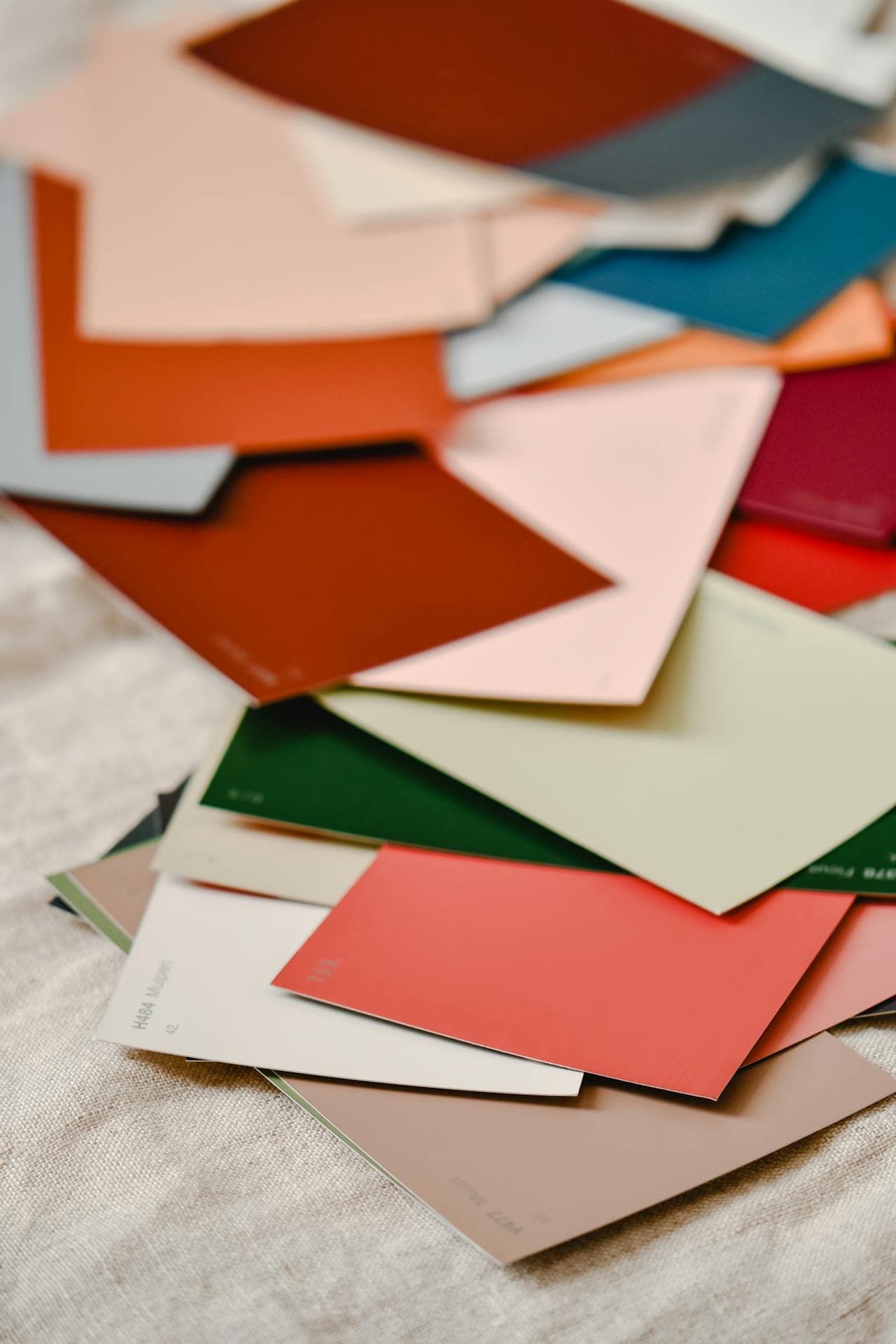
Choosing the Right Color Based on Lighting
For Bright, Sunlit Rooms:
- Opt for soft, muted tones to avoid overwhelming brightness.
- Cool tones, like blues and greens, balance intense natural light and create a calming atmosphere.
For Dim or Shady Rooms:
- Use warm, light-reflective colors like creamy whites, light yellows, or soft pastels to counteract the darkness.
- Avoid cool, dark tones, which can make the room feel smaller and more enclosed.
For Spaces with Warm Artificial Light:
- Stick to warm tones, as these will harmonize with the yellowish glow of the light. Avoid colors with blue or green undertones, as they can appear dull.
For Spaces with Cool Artificial Light:
- Choose cooler tones like grays, blues, or greens to complement the bluish light. Warm colors might appear overly stark or harsh under cool light.
Pro Tips for Lighting-Friendly Paint Choices
- Consider Undertones: Even neutral colors have undertones that can be exaggerated by lighting. For example, a beige with pink undertones might look too rosy under warm light, while a gray with green undertones might appear too cool under natural light.
- Use the Right Finish: Satin finishes work well in rooms with fluctuating lighting, as they reflect just enough light to brighten the space. Semi-gloss finishes are ideal for trim and accent areas, while matte finishes can help minimize glare in brightly lit spaces.
- Consult Professionals: If you’re unsure, a professional painting company can help you navigate the complexities of lighting and paint colors, ensuring you choose a shade that works perfectly for your space.
Bringing It All Together
Lighting plays a vital role in how your interior paint colors look and feel. By understanding how different types of light—natural, artificial, warm, or cool—affect paint colors, you can make more informed choices. Testing samples under various lighting conditions and considering the time of day will help you select a color that truly enhances your home’s ambiance. Ready to find the perfect color for your space? Contact us today for expert advice and professional interior painting services that bring your vision to life.